
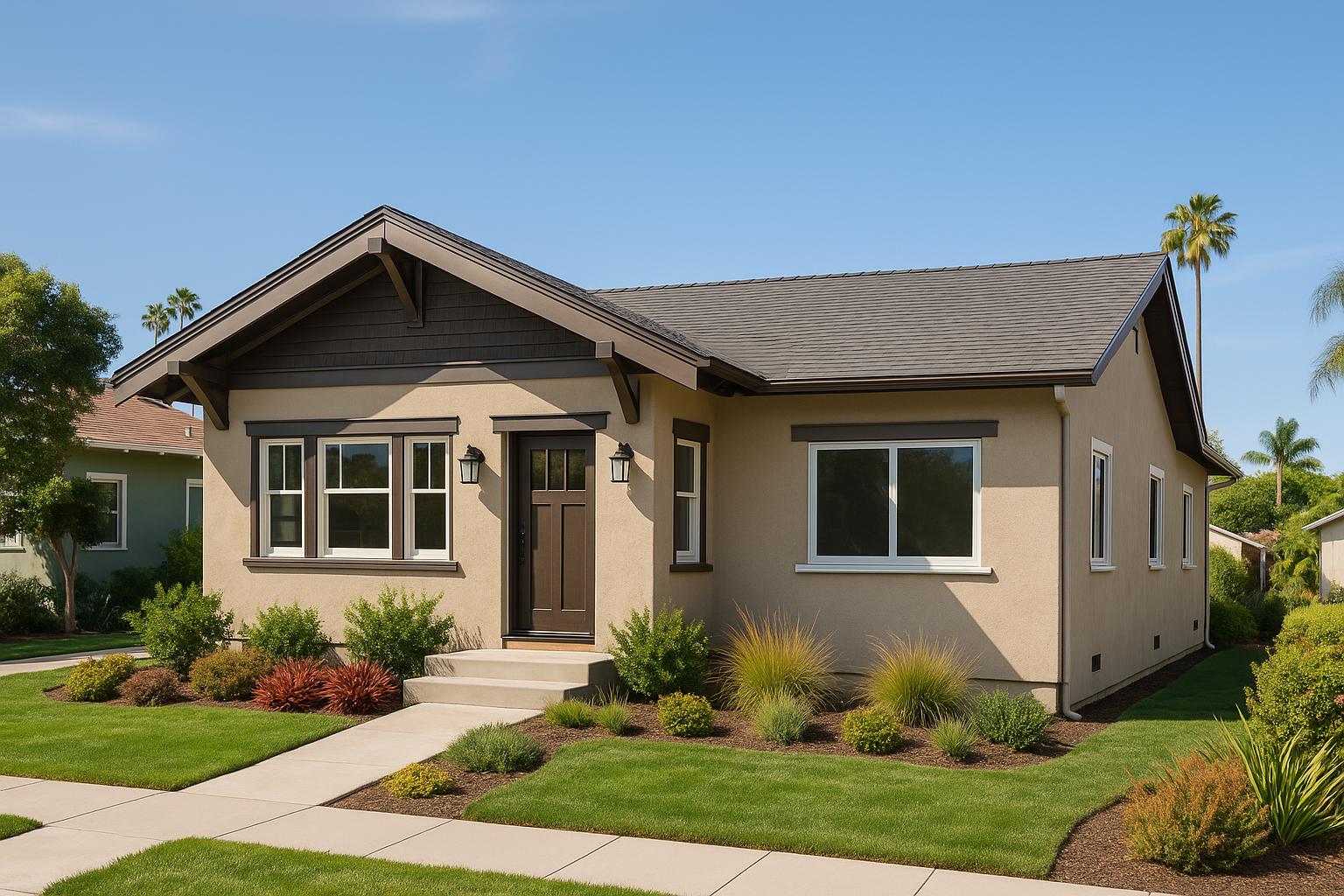
Why San Diego Homeowners Are Adding On Instead of Moving
San Diego's housing market isn't getting any cheaper. Between rising home prices and limited inventory in neighborhoods like La Mesa, Coronado, and Chula Vista, more homeowners are choosing to expand their current homes rather than pack up and start over. A well-planned home addition lets you get the space you need — whether it's an extra bedroom, a larger living area, or a dedicated home office — without giving up the neighborhood you love.
But home additions are one of the most complex remodeling projects you can take on. There are permits, structural considerations, design decisions, and budget realities that can quickly become overwhelming if you don't have a clear plan. The good news? With the right approach, you can add valuable square footage to your home without the chaos.
Step 1: Define What You Actually Need
Before you start dreaming about floor plans, take a step back and ask yourself a few honest questions:
- What problem are you solving? Do you need more bedrooms for a growing family? A bigger kitchen for entertaining? A mother-in-law suite?
- How much space do you really need? Bigger isn't always better. Sometimes a thoughtful 200-square-foot addition solves the problem just as well as a 500-square-foot one — at a fraction of the cost.
- Could you reconfigure existing space instead? In some cases, removing a wall or converting a garage might give you what you need without a full addition.
Getting clear on your goals from the start saves you from expensive changes later in the process. Write down your must-haves and your nice-to-haves, and be realistic about which category each item falls into.
Step 2: Understand San Diego's Permitting Process
Here's where many homeowners get tripped up. In San Diego, virtually any home addition requires building permits from the city's Development Services Department. This isn't just bureaucratic red tape — permits ensure your addition is structurally sound, up to code, and safe for your family.
Key things to know about permits in San Diego:
- Zoning regulations dictate how much of your lot you can build on, how tall your addition can be, and how far it must sit from property lines.
- Setback requirements vary by neighborhood and can significantly affect where you can build.
- The California Building Code has specific requirements for energy efficiency, seismic safety, and accessibility that apply to new construction, including additions.
- Processing times can range from a few weeks to several months depending on the scope of your project and current city workloads.
A reputable remodeling contractor will handle the permitting process for you, but it's important to understand that this step takes time. Factor it into your timeline from the beginning so you're not frustrated by delays.
Step 3: Set a Realistic Budget (and Add a Cushion)
Home additions in San Diego typically cost between $200 and $400 per square foot, depending on the complexity of the project, the materials you choose, and whether plumbing or electrical work is involved. A simple bedroom addition will cost less than a new master suite with a full bathroom.
Here's a rough breakdown of where your money goes:
- Design and engineering: 10-15% of the total budget
- Permits and fees: varies, but budget $2,000-$10,000 depending on scope
- Construction labor and materials: 70-80% of the total budget
- Contingency fund: 10-15% for unexpected issues
That contingency fund isn't optional. Once walls are opened up or foundations are dug, surprises happen — outdated wiring, plumbing that needs rerouting, or soil conditions that require additional foundation work. Having a financial cushion means these discoveries don't derail your entire project.
Step 4: Choose the Right Contractor
This is arguably the most important decision you'll make. The wrong contractor can turn a straightforward addition into a months-long nightmare. The right one makes the process feel manageable, even enjoyable.
When evaluating contractors for your home addition, look for:
- A valid California contractor's license — verify it through the Contractors State License Board
- Experience with additions specifically — additions involve structural engineering, foundation work, and tying new construction into existing structures, which requires specialized knowledge
- Clear, detailed estimates — vague bids are a red flag
- Strong communication — you'll be working with this team for weeks or months, so make sure they're responsive and straightforward
- References and reviews from past clients in the San Diego area
At Cedar Wood Construction, we've helped homeowners across San Diego, El Cajon, National City, and surrounding communities navigate the addition process from initial concept to final walkthrough. We believe in honest communication and no surprises — because this is your home, and you deserve to know exactly what's happening at every stage.
Step 5: Plan for Life During Construction
One thing many homeowners forget to plan for is how they'll live during the construction process. Depending on the size and location of your addition, you may be dealing with noise, dust, limited access to certain rooms, and workers on your property for several weeks.
A few tips to make it easier:
- Set up a temporary space for any room that will be affected. If your kitchen is near the construction zone, set up a mini kitchen with a microwave, coffee maker, and essentials in another room.
- Establish clear boundaries with your contractor about work hours, access points, and where materials will be stored.
- Communicate with your neighbors. A quick heads-up about upcoming construction goes a long way toward maintaining good relationships.
- Keep kids and pets safe by creating barriers between living spaces and the construction area.
Step 6: Think About Long-Term Value
A home addition is a significant investment, so it's worth thinking about how it will affect your home's resale value — even if you don't plan to sell anytime soon. In San Diego's competitive real estate market, well-executed additions that blend seamlessly with the existing home tend to deliver strong returns.
Additions that typically add the most value include:
- Extra bedrooms or bathrooms
- Expanded kitchens and living areas
- Accessory dwelling units (ADUs), which are increasingly popular in San Diego
The key is making sure your addition looks and feels like it was always part of the house. Matching rooflines, exterior finishes, and architectural details matter more than most people realize.
Ready to Start Planning?
A home addition is a big undertaking, but it doesn't have to be a stressful one. With clear goals, a realistic budget, the right permits, and a trustworthy contractor by your side, you can add the space your family needs and increase your home's value at the same time.
If you're considering a home addition in San Diego or the surrounding areas, Cedar Wood Construction is here to help. We'll walk you through every step of the process with the honest, straightforward service our clients have come to expect. Reach out to us today to start the conversation.